
Concrete sealing is an essential process for maintaining the integrity of your surfaces. It protects against water, stains, and chemicals while enhancing durability. With various types of sealers available, each offers distinct advantages. Knowing when and how to seal your concrete can save you time and money in the long run. Understanding the nuances of this process is key to ensuring your concrete lasts. What should you consider before starting?
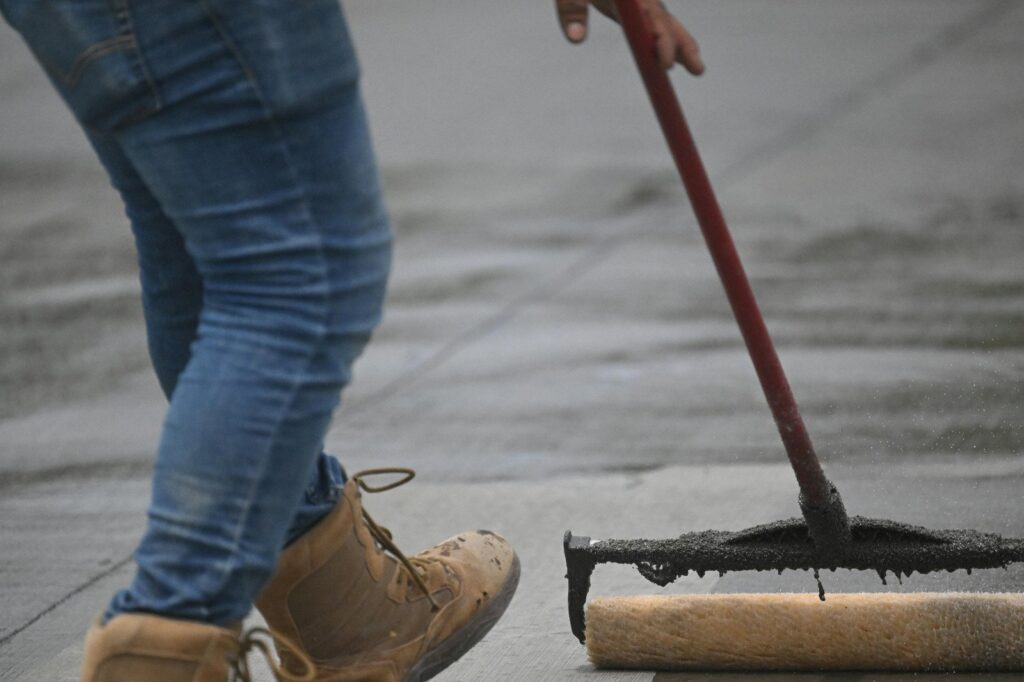
Key Takeaways
- Concrete sealing enhances durability by creating a protective barrier against water, stains, and chemicals, prolonging the life of surfaces.
- There are three main types of sealers: penetrating, film-forming, and specialty, each serving different protective purposes.
- The best time to seal concrete is during mild, dry weather, ideally in spring or fall, avoiding extreme temperatures.
- Regular maintenance, including resealing every 1-3 years, is essential for optimal performance and longevity of sealed surfaces.
- Professional sealing typically ensures superior results, while DIY options may save money but could compromise quality and effectiveness.
What Is Concrete Sealing?
Concrete sealing is a protective process that boosts the durability and longevity of concrete surfaces. By applying sealants, you greatly improve your concrete’s resistance to water, stains, and chemicals. This not only protects your investment but also reduces maintenance costs over time.
You’ll find various sealing techniques, such as topical sealers and penetrating sealers, each serving different purposes based on your needs. Topical sealers form a protective layer on the surface, while penetrating sealers infiltrate the concrete to provide deeper protection.
Understanding concrete sealing benefits allows you to make informed decisions about maintaining your surfaces. Whether you’re dealing with driveways, patios, or floors, sealing is essential for maximizing your concrete’s performance and appearance.
Types of Concrete Sealers
When choosing a concrete sealer, you’ll encounter three main types: penetrating sealers, film-forming sealers, and specialty sealers.
Each type serves a unique purpose and offers different benefits based on your specific needs.
Understanding these options will help you make an informed decision for your concrete protection.
Penetrating Sealers Overview
While various types of concrete sealers are available, penetrating sealers stand out for their ability to infiltrate the surface and provide long-lasting protection.
These sealers work by soaking into the concrete, forming a chemical bond that helps resist water, oil, and stains. One of the primary penetrating sealers benefits is their ability to maintain the natural appearance of the concrete without altering its texture.
Additionally, they allow for vapor transmission, reducing the risk of moisture buildup.
However, penetrating sealers limitations include their reduced effectiveness in extremely high-traffic areas and their need for reapplication over time, especially in harsher environments.
Understanding these factors will help you make informed decisions regarding your concrete sealing needs.
Film-Forming Sealers Explained
Unlike penetrating sealers, film-forming sealers create a protective layer on the surface of the concrete, effectively shielding it from moisture, chemicals, and stains.
These sealers improve film durability, making them ideal for high-traffic areas and outdoor surfaces where exposure to harsh elements is common.
You’ll find that application techniques vary; you can use brushes, rollers, or spray equipment to achieve even coverage.
It’s essential to prepare the surface properly by cleaning and allowing it to dry before application.
For best results, follow the manufacturer’s instructions regarding drying times and reapplication intervals.
Specialty Sealers Applications
Specialty sealers serve unique purposes customized to specific concrete needs, improving performance in various applications.
For decorative sealers applications, you can elevate the aesthetic of stamped or stained concrete while providing protection against stains and wear. These sealers often boost color vibrancy and provide a glossy finish, ideal for patios and driveways.
On the other hand, industrial sealers emphasize durability and chemical resistance, making them perfect for warehouses and manufacturing facilities. They protect against heavy traffic, spills, and harsh environmental conditions.
Benefits of Sealing Concrete
Sealing your concrete considerably improves its durability and longevity.
It protects against stains and moisture, preventing damage that can compromise the surface over time.
Enhanced Durability and Longevity
When you choose to seal your concrete, you improve its durability and longevity considerably.
Sealing creates a protective barrier that bolsters weather resistance, preventing damage from harsh elements like rain, snow, and UV rays. This protection helps maintain the structural integrity of your concrete, minimizing cracking and spalling over time.
Additionally, sealing your concrete preserves the surface texture, ensuring it remains slip-resistant and visually appealing. A well-sealed surface can withstand heavy foot and vehicle traffic without deteriorating, reducing maintenance costs and extending the lifespan of your investment.
Stain and Moisture Protection
By applying a quality concrete sealant, you greatly boost the surface’s resistance to stains and moisture.
Sealants create effective moisture barriers, preventing water infiltration that can lead to structural damage and mold growth. This not only protects the integrity of your concrete but also minimizes the risk of staining from spills, dirt, and other contaminants.
Improved stain resistance means that cleaning becomes easier, as sealed surfaces repel substances that would otherwise penetrate and discolor the concrete.
Additionally, protecting your concrete from moisture and stains can extend its lifespan, saving you money on repairs and replacements.
In short, a good concrete sealant is essential for maintaining a pristine and durable surface. Invest in sealing for long-term protection and performance.
When to Seal Your Concrete
Knowing the right time to seal your concrete can greatly extend its lifespan and maintain its appearance.
The best time to seal is typically during mild, dry weather, ideally in spring or fall. Avoid sealing during extreme temperatures—above 90°F or below 50°F—as this can affect the curing process.
Additionally, consider seasonal considerations like rain and humidity; sealing right before a rainstorm can wash away the sealer before it bonds.
If you notice signs of wear, such as fading, cracking, or staining, it’s also a good indicator that it’s time to seal.
Regular maintenance, including resealing every 1-3 years, helps protect your investment from harsh elements and improves the look of your concrete surfaces.
How to Prepare Concrete for Sealing
To guarantee the best results when sealing your concrete, proper preparation is essential.
Start with concrete cleaning to remove dirt, grease, and stains. Use a pressure washer or a stiff-bristle broom with a suitable cleaner to make certain the surface is spotless.
After cleaning, inspect the concrete for any cracks or imperfections. Address these issues with surface repair methods, such as filling cracks with a concrete patch compound. Confirm the repairs are fully cured before proceeding.
It’s also important to allow the cleaned surface to dry completely—moisture can interfere with the sealer’s adhesion.
Following these steps will create an ideal surface for the sealer, enhancing its effectiveness and longevity.
Steps to Apply Concrete Sealer
Once you’ve prepared the concrete surface, applying the sealer is the next essential step.
Begin by selecting the right sealer based on your needs—consider factors like durability, aesthetics, and the environment.
Next, choose your application techniques; options include rolling, spraying, or brushing. If you’re using a sprayer, guarantee a consistent, even coat by maintaining the correct distance and angle. For rollers, apply in a back-and-forth motion to prevent streaks.
Always work in manageable sections to avoid overlap marks. Allow the first coat to dry thoroughly before applying a second layer if necessary.
Finally, follow the manufacturer’s guidelines for drying times and curing to secure ideal performance and longevity of your concrete sealer.
Common Mistakes to Avoid
When sealing concrete, overlooking surface preparation can lead to poor adhesion and reduced effectiveness.
Additionally, using the wrong type of sealant for your specific concrete surface can compromise durability.
Avoid these common pitfalls to guarantee a successful sealing process.
Ignoring Surface Preparation
Proper surface preparation is essential for successful concrete sealing, yet many overlook this important step. If you neglect to clean the surface properly, surface contaminants like dirt, oil, and grease can interfere with the sealant’s adhesion. This may lead to premature failure of the seal, resulting in costly repairs down the line.
Begin by conducting a thorough inspection of the concrete, noting any cracks or imperfections that need addressing. Next, use appropriate cleaning methods—pressure washing or chemical cleaners—to guarantee the surface is free of contaminants.
Allow the concrete to dry completely before applying the sealant. By prioritizing proper cleaning, you set the foundation for a long-lasting, effective seal that protects your concrete investment.
Applying Incorrect Sealant Type
Neglecting surface preparation can lead to another common pitfall: applying the wrong type of sealant.
Each concrete surface has specific requirements, and selecting a sealant that lacks proper compatibility can drastically reduce its effectiveness. For instance, using a water-based sealant on a surface meant for solvent-based products can result in poor adhesion, leading to premature failure.
This mistake not only compromises sealant longevity but can also necessitate costly reapplication. To avoid this, always check the manufacturer’s recommendations for sealant compatibility with your specific concrete type.
Conducting a compatibility test on a small area can also help confirm you’re making the right choice. Remember, the right sealant improves the durability and lifespan of your concrete surfaces.
Maintaining Sealed Concrete
Sealed concrete surfaces require regular maintenance to guarantee their longevity and aesthetic appeal.
Start with routine cleaning; use a mild detergent and a soft broom or pressure washer to remove dirt and grime. Avoid abrasive tools that can damage the sealer.
Implement sealer maintenance tips by inspecting the surface annually for signs of wear or discoloration. If you notice deterioration, consider applying a fresh coat of sealer to restore protection.
Additionally, protect your sealed concrete from harsh chemicals and heavy traffic that can compromise its integrity.
Following proper concrete care practices, like using mats in high-traffic areas, can prolong the life of your sealed surfaces.
With consistent upkeep, your sealed concrete will remain beautiful and durable for years to come.
Cost of Concrete Sealing
When considering concrete sealing, expect to spend anywhere from $0.50 to $2.00 per square foot, depending on factors like the type of sealer, surface condition, and labor costs.
Average pricing varies considerably across different regions due to labor rates and material availability. For instance, urban areas may charge higher rates compared to rural locations.
Additionally, certain sealers, such as epoxy or polyurethane, typically cost more than standard acrylic options.
It’s important to assess the concrete’s condition before sealing, as repairs might be necessary, influencing the overall cost.
Always get multiple quotes from contractors to better understand the pricing landscape in your area, ensuring you find the best value for your concrete sealing project.
Professional vs. DIY Sealing
Choosing between professional and DIY sealing for your concrete surfaces can considerably impact both your results and your budget.
If you opt for DIY techniques, you’ll save money but may sacrifice quality. You can use basic sealants and tools available at hardware stores, but without the right skills, your finish mightn’t last.
On the other hand, hiring professionals guarantees the use of advanced professional equipment, delivering superior results. They understand surface preparation, application techniques, and product selection, which can prolong the life of your seal.
Ultimately, weigh your budget against the desired outcome. If you’re confident in your abilities and have time to invest, DIY may work; otherwise, professional sealing is the safer choice for long-lasting protection.
Frequently Asked Questions
Can I Seal Concrete in Cold or Rainy Weather?
You shouldn’t seal concrete in cold weather or rainy conditions, as low temperatures and moisture can prevent proper adhesion and curing. Wait for dry, warmer weather to guarantee effective sealing and long-lasting results.
How Long Does Concrete Sealer Last Before Needing Reapplication?
Concrete sealer longevity generally ranges from one to five years, depending on the type and environmental conditions. For ideal performance, follow maintenance tips, like regular cleaning and reapplication when signs of wear appear.
Will Sealing Concrete Change Its Color or Appearance?
Sealing concrete can cause color changes and alter the surface texture. Depending on the sealer used, you might notice a glossy finish or a slight darkening effect, so choose your product carefully for desired outcomes.
Can I Apply Sealer Over Old Paint or Coatings?
You can’t apply sealer directly over old paint or coatings. Proper surface preparation, including paint removal, is crucial for effective sealing. Make certain the concrete surface is clean and bare for best adhesion and performance of the sealer.
Is It Safe for Pets and Children After Sealing?
After sealing, it’s essential to guarantee pet safety and child safety. Most sealers require a drying period, typically 24-48 hours, before pets or children can safely access the area. Always check product guidelines for specific recommendations.
Conclusion
In conclusion, concrete sealing is vital for protecting and extending the life of your surfaces. By choosing the right type of sealer and following proper preparation and maintenance techniques, you can improve durability and aesthetics. Whether you opt for a DIY approach or hire professionals, understanding the process will help you avoid common pitfalls and achieve the best results. Regular resealing every 1-3 years guarantees your concrete remains in top condition, safeguarding your investment effectively.