
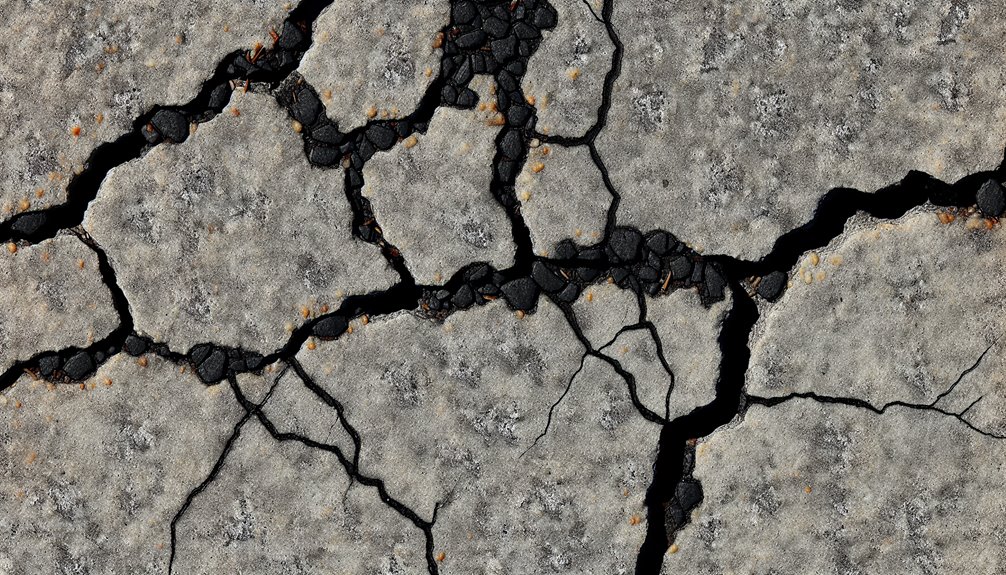
If you've noticed cracks, chips, or stains on your concrete surfaces in Marietta, GA, you're not alone. These issues can stem from various factors like soil movement or temperature changes, and they can escalate quickly if not addressed. You might wonder about the different types of cracks or how to effectively manage those unsightly stains. Understanding the root causes and exploring preventive measures can help you maintain the integrity of your concrete. But what should you prioritize first to guarantee longevity?
Understanding Concrete Cracks
When it comes to concrete, cracks can pop up unexpectedly, leaving homeowners feeling concerned about their integrity. Understanding the crack patterns is vital for determining the best course of action. You might notice horizontal, vertical, or even diagonal cracks, each indicating different issues.
For instance, horizontal cracks often suggest pressure from soil, while vertical ones could stem from settling. Identifying these patterns helps you determine effective repair techniques.
If the cracks are minor, you might simply fill them with a concrete crack filler, smoothing it over for a clean finish. For deeper or wider cracks, you may need to take into account more involved repair techniques, such as epoxy injections or even resurfacing the concrete.
It's essential to address cracks promptly to prevent further damage. Regular inspections can help you catch these issues early, allowing you to implement the right repair strategies before they escalate.
Causes of Concrete Cracks
Concrete cracks can be frustrating, and understanding their causes is essential to prevent further damage.
Soil movement, temperature changes, and improper installation practices all play a significant role in cracking.
Soil Movement Effects
As your home settles or shifts over time, soil movement can lead to significant stress on the concrete structures surrounding it. This stress often manifests as cracks, chips, or even complete structural failure.
When soil instability effects occur, like erosion or compaction, the ground beneath your concrete can become uneven, causing it to shift. You might notice cracks appearing in your driveway, foundation, or patio.
Ground shifting impacts can also be exacerbated by heavy rainfall, drought, or nearby construction. If the soil beneath your concrete becomes overly saturated, it can weaken and erode, leading to further instability. Conversely, during dry spells, soil can shrink, creating voids that make your concrete susceptible to settling and cracking.
It's essential to monitor your concrete surfaces for any signs of distress. You may want to evaluate professional assessments if you notice significant shifts or cracks.
Taking proactive measures can help mitigate the effects of soil movement and prolong the life of your concrete structures. Addressing these issues early on can save you time and money in repairs down the line.
Temperature Fluctuations Impact
Temperature fluctuations can take a toll on your concrete surfaces, causing them to expand and contract. When you experience significant temperature changes, the material reacts by shifting slightly, which can lead to cracks over time. The temperature effects are often most noticeable during seasonal changes, where the shift from hot summers to cold winters puts stress on your concrete.
As the temperature rises, your concrete can expand, and when it cools, it contracts. This constant cycle can weaken the integrity of your concrete, especially if it's subjected to these changes repeatedly. You might notice small cracks forming, which can gradually worsen if left unaddressed.
Additionally, if your concrete isn't properly sealed, moisture can seep in during warmer months, and when temperatures drop, that moisture freezes, exacerbating the cracks.
It's essential to keep an eye on your concrete surfaces and take preventive measures. Regular maintenance, such as sealing and filling cracks, can help mitigate the risks associated with these temperature effects. By staying proactive, you can extend the lifespan of your concrete and maintain its appearance despite the challenges posed by seasonal changes.
Improper Installation Practices
Many homeowners overlook the importance of proper installation practices, which can lead to significant problems down the line. If you're not careful with your concrete installation techniques, you might find yourself facing cracks, chips, and stains sooner than expected.
Using quality materials is vital, but even the best products can fail if not installed correctly. For instance, improper mixing ratios or inadequate curing times can weaken the concrete. If the ground isn't properly prepared, it can shift and cause the concrete to crack.
Moreover, neglecting to follow manufacturer guidelines during installation can result in uneven surfaces or structural issues. It's important to hire skilled professionals who are familiar with the best installation techniques and understand the local climate's impact on concrete.
Ultimately, taking shortcuts during installation might save time and money upfront, but it can lead to costly repairs and maintenance in the future. Investing in proper installation practices guarantees your concrete surfaces remain durable and aesthetically pleasing for years to come.
Types of Cracks in Concrete
Cracks in concrete can be a homeowner's worst nightmare, but understanding the different types can help you address them effectively.
Two common types of cracks you may encounter are shrinkage cracks and settlement cracks.
Shrinkage cracks occur as the concrete dries and cures. As the moisture evaporates, the volume of the concrete decreases, leading to small fissures.
These cracks are typically superficial and may not indicate any serious structural issues. You might notice them appearing randomly on your driveway or patio.
On the other hand, settlement cracks are a sign that your concrete is shifting due to the underlying soil's movement.
These cracks can be more serious, often forming along the edges of slabs or in a stair-step pattern. They can indicate that your foundation is settling unevenly, which could lead to more significant problems down the line.
Repairing Cracks Effectively
When you notice cracks in your concrete, it's essential to identify their types first.
Different cracks require different repair methods to guarantee a lasting fix.
Let's explore how to accurately assess the damage and implement effective solutions.
Identifying Crack Types
Understanding the various types of cracks in concrete is essential for effective repair. When you inspect your concrete, pay close attention to crack visibility and crack patterns. Different types of cracks can indicate various underlying issues, and recognizing them can save you time and money.
For instance, hairline cracks are typically less serious, often resulting from shrinkage during the curing process. However, if you notice horizontal or vertical cracks that appear wider than a quarter-inch, it's vital to assess their cause. These cracks could signify structural problems, such as settlement or shifting soil beneath your concrete.
Additionally, consider the pattern of the cracks. Random, spiderweb-like cracks often indicate surface issues, while straight line cracks can suggest problems with the foundation. By identifying these crack types, you can prioritize which ones need immediate attention and which can wait.
Don't forget to take note of the environment, as temperature changes and moisture can exacerbate cracks. Keeping an eye on these factors helps you maintain your concrete's integrity and prolong its lifespan.
Repair Methods Overview
Once you've identified the types of cracks in your concrete, the next step is repairing them effectively. Different repair techniques cater to various crack types, ensuring you address the issue properly.
For hairline cracks, a simple epoxy or polyurethane injection works wonders. These materials bond well and restore structural integrity without much hassle.
For wider cracks, consider using a patching compound or concrete resurfacer. These products not only fill gaps but also blend with the surrounding surface, making the repair less noticeable.
Remember, surface preparation is essential; clean the area thoroughly before applying any repair material.
If you're facing larger structural cracks, it might be best to consult a professional. They can assess the situation and suggest more advanced repair techniques, such as underpinning or slab jacking.
Regular concrete maintenance can prevent cracks from worsening. Sealants can protect your concrete from moisture, while diligent monitoring can help catch potential problems early.
Common Causes of Chips
Chips in concrete can occur for several reasons, often leaving you frustrated and seeking solutions. One common cause is heavy traffic. If your driveway or walkway endures frequent use by vehicles or foot traffic, the pressure can lead to chips over time.
Another factor is weather conditions. Freeze-thaw cycles can create stress in the concrete surface, resulting in chips. Additionally, improper installation can contribute to the problem. If the concrete mix was weak or the surface wasn't finished correctly, it may be more prone to chipping.
You may also encounter chips due to impact from objects like tools or furniture. Dropping heavy items can easily compromise the surface.
Finally, neglecting concrete maintenance is a significant contributor to chip formation. Regularly sealing and cleaning your concrete can help protect it from wear and tear.
For effective chip prevention, make sure to conduct routine inspections and address any cracks or issues promptly. By being proactive with your concrete maintenance, you can extend the life of your surfaces and minimize the chances of chips appearing.
Taking these steps will keep your concrete looking great for years to come!
Fixing Concrete Chips
When you notice chips in your concrete, the first step is to identify the type of chip you're dealing with.
From there, you'll want to explore various repair methods that can effectively restore your surface.
Finally, understanding prevention strategies will help you keep your concrete looking great for years to come.
Identify the Chip Type
To effectively fix concrete chips, it's crucial to identify the type of damage you're dealing with. Start by examining the chip's size and depth. Are you facing a surface chip, which is usually shallow, or a deeper structural chip that could compromise stability? These are fundamental chip identification techniques that help you determine the best approach to repair.
Common chip types include spalling, where the surface flakes off due to moisture or freeze-thaw cycles, and pitting, which creates small holes from wear and tear. You might also encounter edge chips, typically found along driveways or sidewalks, that can lead to more extensive damage if left untreated.
Once you've identified the chip type, assess the surrounding area for additional damage, like cracks or stains, as these could indicate larger issues.
Repair Methods Overview
Fixing concrete chips requires a clear understanding of the repair methods available to effectively restore your surfaces. You've got several repair techniques to choose from, depending on the severity of the chips and the materials involved.
For minor chips, a simple epoxy filler can be a quick and cost-effective solution. Just clean the area, apply the filler, and smooth it out for a seamless finish.
For larger or more significant damage, consider using a concrete patching compound. This method involves mixing the compound according to the manufacturer's instructions, applying it to the chipped area, and then leveling it off. This option may come with higher cost considerations, but it guarantees a more durable repair.
If your chips are extensive or affect structural integrity, you might need to consult a professional. While this adds to your expenses, it assures the repair is done correctly and safely.
Ultimately, the choice of repair technique should balance effectiveness with your budget, assuring your concrete surfaces look great and last longer. Always remember to assess the specific needs of your situation before deciding on the best approach.
Prevention Strategies Explained
Preventing concrete chips starts with understanding the factors that contribute to damage. Weather fluctuations, heavy traffic, and improper installation can all lead to chips forming on your concrete surfaces. To minimize these risks, you'll want to focus on regular preventive maintenance.
Begin by scheduling seasonal inspections to identify any existing issues early on. During these inspections, look for cracks or surface wear that could worsen over time. If you notice any signs of damage, address them immediately.
Additionally, make sure your concrete is sealed properly. A good sealant protects against moisture, which can lead to chips and cracks if water seeps into the concrete.
It's also wise to keep the surface clear of debris and avoid using harsh chemicals that could deteriorate the material.
Lastly, consider using protective mats or pads in high-traffic areas to reduce wear and tear.
Stains: Types and Causes
Concrete surfaces can be marred by various types of stains, each stemming from different causes. One common type of stain is oil, often left behind by vehicles or equipment. These stains can penetrate the surface, making stain removal challenging.
Another prevalent culprit is rust, which typically comes from metal objects or rebar that's exposed to moisture. Rust stains can create unsightly patches that detract from your concrete's appearance.
You might also encounter organic stains from leaves, food, or even mold and mildew, especially in shaded areas. These stains not only look bad but can also lead to more serious issues if not addressed.
Finally, chemical stains from substances like fertilizers or de-icing agents can cause discoloration and damage over time.
To combat these stains, stain prevention is essential. Regular cleaning and sealing can greatly reduce the risk of stains setting in.
If you can address spills promptly, you'll have a better chance at keeping your concrete surfaces looking their best. Understanding these types of stains and their causes is the first step toward effective stain removal and maintaining the integrity of your concrete.
Removing Stains From Concrete
When it comes to removing stains from concrete, acting quickly can make a significant difference. The sooner you address a stain, the easier it'll be to remove.
Start by identifying the type of stain—oil, rust, or food residue, for instance—since different stains require different cleaning techniques.
For oil stains, apply a commercial degreaser or a mixture of dish soap and warm water. Scrub the area with a stiff brush, then rinse thoroughly.
Rust stains can be tricky; try using a mixture of lemon juice and baking soda. Apply it to the stain, let it sit for a few minutes, and scrub before rinsing.
For food or drink stains, a simple solution of vinegar and water often does the trick. Spray the mixture on the stain, let it soak, and scrub with a brush.
Always test any cleaning solution on a small, inconspicuous area first to verify it doesn't damage the concrete.
Preventive Measures for Longevity
Taking proactive steps can greatly extend the life of your concrete surfaces. One of the best strategies is to implement a routine of preventive maintenance. Start by sealing your concrete every few years; this not only enhances its appearance but also protects it from moisture and stains.
Next, conduct seasonal inspections to identify any cracks or chips before they worsen. Look for signs of wear, such as discoloration or surface damage, and address these issues promptly. If you notice small cracks, fill them immediately to prevent water infiltration, which can lead to bigger problems down the line.
Additionally, keep your concrete surfaces clean by sweeping away debris and using appropriate cleaning solutions for stains. Avoid using harsh chemicals that could damage the surface.
Consider controlling water drainage around your concrete areas. Ascertain gutters and downspouts direct water away, reducing the risk of erosion.
Professional Help vs. DIY
Deciding between professional help and DIY solutions for concrete issues often hinges on factors like complexity, skill level, and budget. If you're facing minor cracks or surface stains, a DIY approach might be tempting. With the right materials and some research, you could save money and gain a sense of accomplishment.
However, if the damage is extensive or structural, a professional assessment is vital. Professionals can accurately evaluate the situation, making certain that you don't overlook underlying problems. They possess the expertise to use specialized tools and techniques that might be beyond your reach.
In many cases, the cost comparison reveals that hiring a pro can save you time, and potentially money, in the long run by preventing further damage.
When considering whether to tackle the job yourself or hire someone, weigh your skills and the task's complexity. If you're uncertain, it's often wise to consult a professional. They can provide insights that help you make an informed decision while making sure your concrete issues are resolved effectively.
Ultimately, choosing the right path can save you stress and guarantee a lasting solution.
Frequently Asked Questions
How Can I Tell if My Concrete Needs Immediate Repair?
You can tell if your concrete needs immediate repair by looking for concrete deterioration signs like deep cracks, large chips, or rising stains. Repair urgency indicators include water pooling, shifting surfaces, or visible structural changes.
What Tools Are Essential for DIY Concrete Repairs?
For DIY concrete repairs, you'll need repair kits specific to your issue, along with tools for surface preparation like a wire brush, trowel, and mixing bucket. These essentials guarantee a smooth, effective repair process.
Are There Eco-Friendly Options for Concrete Stain Removal?
Yes, there are eco-friendly options for concrete stain removal. You can use natural cleaners like vinegar or baking soda, which effectively lift stains without harmful chemicals. These products are safe for you and the environment.
How Often Should I Inspect My Concrete Surfaces?
You should inspect your concrete surfaces at least twice a year. Regular surface inspections help identify wear and tear early, allowing for effective concrete maintenance and preventing costly repairs down the line. Stay proactive!
Can Weather Conditions Affect Concrete Repair Effectiveness?
Yes, weather impacts concrete repair effectiveness considerably. You should consider repair timing carefully; extreme temperatures or moisture can hinder the curing process, ultimately affecting the durability and longevity of your repairs. Plan accordingly for best results.
Conclusion
In Marietta, GA, keeping your concrete surfaces in top shape is essential. By understanding the common issues like cracks, chips, and stains, you can take proactive steps to maintain your concrete. Regular inspections and timely repairs can save you from costly damage down the line. Whether you choose to tackle repairs yourself or call in professionals, staying on top of maintenance will extend the life of your concrete and keep your property looking great.